
PROPERTY CARE
Autumn & Winter Property Care Checklist for Costa del Sol Homes
Preparing your home for wetter weather means looking beneath the covers, checking where rainwater goes and knowing what happens while you are away.
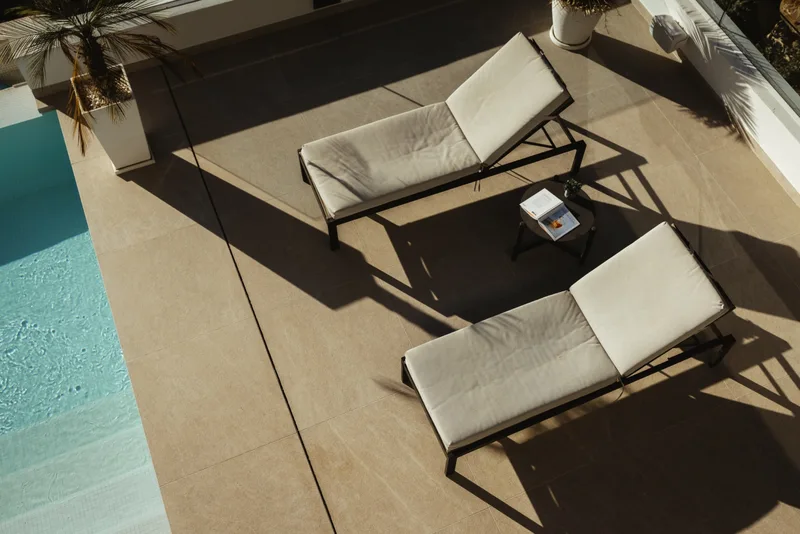
A terrace can look ready for winter because the furniture is covered and the cushions are out of sight. But a cover holding a pool of rainwater, or cushions packed away before their filling has dried, can leave you with a problem to discover on your next visit.
For owners in Marbella and Estepona, seasonal preparation is worth doing before departure, with enough time for cleaning, drying and any repairs. These are the details we would put on the checklist.
1. Check beneath the furniture covers
Start with the care instructions for the actual furniture and fabric. Teak, powder-coated aluminium and upholstered outdoor seating do not all need the same treatment. Avoid applying a general-purpose oil or cleaner across the whole set.
Brush away debris and clean as recommended, then allow furniture and cushions to dry fully. The outside of a cushion can feel dry while moisture remains inside. If cushions are going into storage, choose somewhere dry; a damp storage room simply moves the problem indoors.
Use correctly fitted covers with their intended fastenings. Check for sagging areas where water can collect, and use the manufacturer's support system where provided. A cover is not a reason to leave the furniture unchecked until spring: lift it during visits, look for moisture underneath and let things dry when conditions allow.
2. Follow the route rainwater takes off the terrace
Look beyond whether the tiles are clean. Find each drainage outlet and check whether a planter, outdoor rug or moved sofa is restricting access to it. Remove accessible leaves and debris rather than washing them into the drain.
Look particularly at channels in front of sliding doors, lower terraces and the bottom of external stairs. If an outlet repeatedly blocks or water remains after rain, have the drainage assessed. A clean grate does not tell you whether the pipe beneath it is clear.
Ask whoever looks after the property to photograph any standing water after rainfall, noting where it is and when the rain stopped. That is more useful to a contractor than a photograph of a dry terrace several days later. Gutters, roof outlets and work at height should be handled by someone equipped to access them safely.

3. Make a wind plan for the terrace
Decide where parasols, lightweight chairs and loose accessories will go before a warning arrives. An available garage is only useful if there is space in it and your local contact has access.
Put parasols away securely and retract awnings in accordance with their instructions. Check cover straps too: a loose cover can catch the wind. Do not assume a heavy table makes the chairs around it secure, or use glass balustrades as improvised anchor points.
4. Check the rooms you use least
Give lower-level bedrooms, storage rooms and the inside of wardrobes a proper look. Check window corners, skirting boards and behind accessible furniture for new marks, condensation or a musty smell. Photograph existing marks so there is a baseline for the next visit.
A small humidity monitor can help identify a pattern. The US Environmental Protection Agency advises keeping indoor relative humidity below 60%, ideally between 30% and 50% where possible. Persistent high readings deserve attention; a single reading does not identify the cause.
Agree a ventilation or dehumidification plan suited to the property. Leaving windows open while the home is empty creates security and weather risks, and bringing in humid outside air will not necessarily help. If a dehumidifier is part of the plan, check its operating instructions, drainage arrangement and who will monitor it. A full collection tank can stop it working.
Recurring damp needs its source investigated. A dehumidifier cannot repair a leak, and painting over a stain does not explain why it appeared.
5. Review the systems that will stay on
Before switching off a circuit, check what it supplies. Pool equipment, alarms, internet-connected monitoring and drainage pumps may depend on power even when nobody is staying.
Ask the pool and garden contractors to review their seasonal settings. Confirm that irrigation is not continuing on an unnecessary summer schedule, and that someone is checking the pool after heavy rain. Pool levels, treatment and equipment settings should follow the advice for that particular installation.
If the property relies on a pump to remove water from a basement or lower courtyard, arrange a functional check with the appropriate contractor. Establish what happens during a power cut and who receives any fault alert.
6. Agree what happens after bad weather
A scheduled visit and a post-storm check serve different purposes. Agree in advance whether an additional visit can be arranged after significant rain or wind, once it is safe to attend.
The report should tell you what was checked, what changed and what needs action. Useful photographs include door thresholds, lower-level rooms, terrace outlets and the furniture beneath its covers—not just a wide shot showing that the house is still standing.
Make sure your contact has authorised access, current contractor details and a clear understanding of what they can arrange without waiting for you. If water has entered the building, prompt assessment and drying matter. Where there is floodwater or possible electrical damage, keep clear and use qualified help.
Before you leave: the autumn and winter checklist
- Furniture cleaned appropriately; cushions fully dry before covering or storage.
- Covers secured, with no pockets where rainwater can collect.
- Terrace outlets accessible; recurring drainage problems referred for assessment.
- Parasols, awnings and loose items prepared for wind.
- Existing damp marks photographed and humidity arrangements agreed.
- Pool, irrigation, alarms and any drainage pumps included in the absence plan.
- Next inspection booked, with a plan for checks after significant weather.
You do not need to pack the whole house away at the first change in weather. The aim is to leave it in a condition that can be maintained, with somebody who knows what to look for while you are away.
Further reading: Gloster's protective-cover care guidance, EPA guidance on moisture control and Met Office property preparation advice. Always follow the instructions for your own furniture and equipment.
A little local support?
If your home will be empty between visits, Georgia and Daniel can help arrange regular property inspections and coordinate maintenance in Marbella and Estepona.
Explore property care